
| Brand | Unbranded |
| Manufacturer | Natural Products - Bulk |
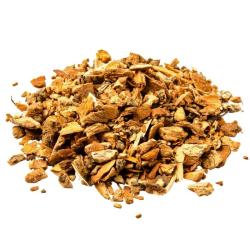
Cramp Bark (Viburnum opulus) is a dried bark traditionally prepared as a decoction in comfort-focused herbal routines. It has a mild, woody profile that blends well with other calming herbs without overpowering flavour. In traditional practice it is often used during times of muscular tension, including monthly rhythm routines.
The bark format is suited to simmering and straining for a classic, home-style preparation. Key Properties Botanical Name: Viburnum opulus Common Name: Cramp Bark Plant Part: Bark Form: Dried bark Flavour Profile: Mild, woody, slightly astringent Ingredients: Dried cramp bark (Viburnum opulus) Size Options: 500g or 1kg What Its Used For Traditional decoctions for muscular comfort routines Monthly rhythm blends and calm, evening-style teas Blend component with other woody or citrusy botanicals External compress routines using a cooled, strained decoction Who Its For This product is suitable for: Home decoctions where bark is simmered and strained Herbal routines that focus on calm, steady comfort Blend making that benefits from a mild, woody bark base This product is not for: Anyone wanting a quick-steep herb with no simmering required Those who prefer sweet, floral teas with minimal woody notes People looking for a ready-made blend rather than a single ingredient How To Use As a Decoction: Add 1 to 2 teaspoons to 250ml cold water, bring to the boil, then simmer 10 to 15 minutes.
Strain and drink up to 3 times daily as desired. As a Blend: Combine with supportive companions, then prepare as a decoction and strain. As an External Compress: Prepare a decoction as above, cool to lukewarm, soak a clean cloth, apply briefly to intact skin, then rinse. Processing Tip: Bark extracts best with simmering rather than a quick infusion.
Safety Instructions Not recommended during pregnancy or while breastfeeding unless guided by a qualified healthcare practitioner. If you use blood-thinning medication, seek professional advice before use. If you have aspirin sensitivity or a history of reactions to salicylates, seek advice before use.
Consult a qualified healthcare practitioner before use if you have a medical condition or take medication. Discontinue use if any adverse reaction occurs. Keep out of reach of children and pets. FAQs Q: What does cramp bark taste like? A: Mild and woody with a slightly astringent finish, often softened by blending.
Q: Why is cramp bark usually prepared as a decoction? A: Bark generally needs simmering to extract well, which is why decoctions are traditional. Q: What herbs pair well with cramp bark in blends? A: It is often paired with gentle florals or citrusy ingredients to round out the woody taste.
 Related Products
Loading similar products...
Stay informed about the best deals and price drops. Choose which notifications you'd like to receive from PriceCheck.


